
Turn improvement into the standard
Continuous improvement: command of the routine, from opportunity to new standard
Track every piece of information about your initiatives in one place. Each improvement starts linked to the indicator it should move and ends as a standard adopted by the areas.
77% of the 1.9 million action plans managed in Stratws were completed on time












Continuous improvement stops being a one-off and becomes culture
Opportunities, root cause analyses and action plans leave the spreadsheets and come together on a single platform, linked to the operation’s indicators. With the methods built in, management runs the analysis without depending on a specialist.
The result is less recurrence, tracked execution and every improvement linked to the number it moves. The operation leaves reactive mode and starts investing in improvement as a process.
From deviation to new standard
Follow the whole cycle, from logging the opportunity to the standardization that takes the improvement to the other areas. On a single system, the shop floor takes part in every step.
Log the opportunity
The improvement opportunity comes in with classification, results area, management unit and origin, already linked to the indicators it should move.
Analyze the cause
The analysis step starts in the form, with methods such as Five Whys, Cause and Effect Diagram, Pareto Analysis and Prioritization Matrix.
Standardize the tracking
The form follows PDCA, FCA or See and Act, and the fields are configured to follow the way the company already works.
Open the action plan
Tasks are created with owner and deadline attached, and tracking happens in the routine inside Stratws, not in a separate spreadsheet.
Track the improvement
Attached evidence, the 3G Report and the progress of each action show, within the opportunity itself, what was planned, what has been done and what is still left.
Verify the result
Verification is a step of the method, with an approval flow configurable by user group, not a field someone fills in at the end.
Standardize the new way of working
The process, method or resource that improved the result becomes the standard and is adopted by every area where it applies.
Keep the history of improvements
Every improvement leaves a record of what was analyzed, what was done and what changed in the indicator. That memory keeps lessons learned from getting lost over time and links records from different areas to each other.
With the history, improvement becomes a described process, a practiced routine and the starting point for the next one.
More than logging the opportunity
Logging the opportunity is the beginning. What changes the result is what comes next: cause analyzed, action tracked, result verified and improvement standardized.
| What the improvement cycle requires | Stratws | Spreadsheet and minutes | Kaizen event | ERP occurrence module |
|---|---|---|---|---|
| Opportunity logged and linked to the indicator | Yes | No | No | No |
| Cause analysis with a method | Yes | No | Yes | No |
| Action plan with owner, deadline and tracking | Yes | Partly | Partly | No |
| Configurable approval flow | Yes | No | No | Partly |
| Recorded history, with links across areas | Yes | No | No | Partly |
| Improvement standardized for the areas where it applies | Yes | No | No | Partly |
The gain continuous improvement generates
When improvement becomes routine, the effect shows up on four fronts:
Less recurrence
The improvement becomes the standard of the areas where it applies. When the deviation comes back, the history shows the cause identified, the action taken and the result that followed.
Prioritization
Methods such as the Prioritization Matrix and Pareto Analysis support setting priorities based on impact, not order of arrival.
Execution on schedule
Every action has an owner, a deadline and tracking in the routine, and progress is visible to those who execute and those who follow up.
Results with evidence
Each improvement is linked to the indicators it should move, which are visible in one place. You can tell real improvement from activity without impact.
Stratws, your AI platform working alongside continuous improvement
Secure a layer of analysis over every improvement. Stratws AI crosses causes and action plans with the context of your operation, and shows which action is overdue and what the area has already addressed before.
- The problem solution by its number, with the full plan.
- Overdue tasks by the planned against actual rule.
- The routine meeting minutes ready, with decisions, owners and deadlines.
MRS Logística: centralized groups, accessible to the whole team
The continuous improvement processes at MRS Logística, which operates 1,643 kilometers of railway network, were tracked manually, in spreadsheets, by its Continuous Improvement Groups. With Stratws, the groups moved to a single system, with a standardized form, built-in analysis methods and more reliable data.
Watch the full case on YouTube (in Portuguese)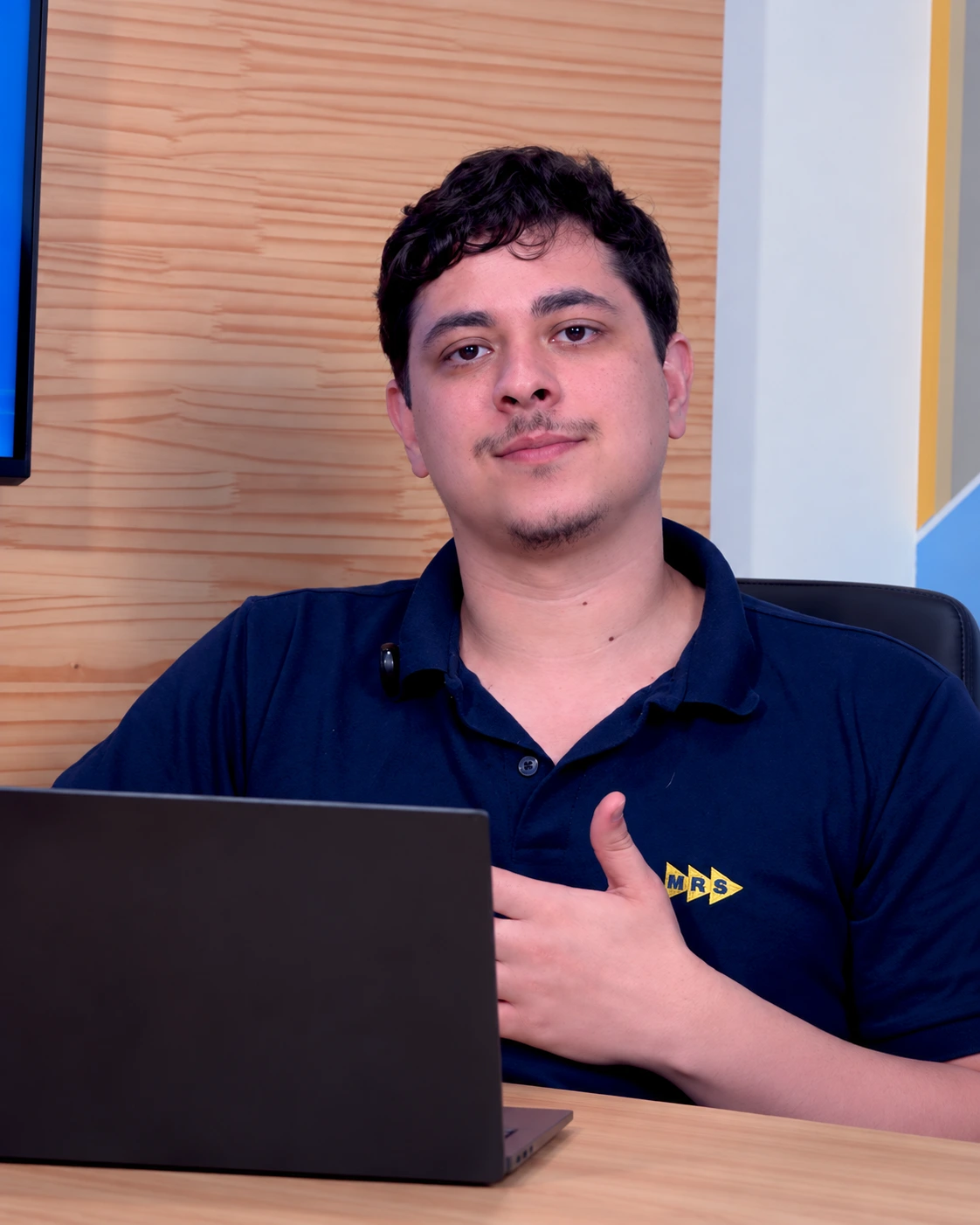
“One of the main gains was faster decision-making. Having everything at hand in a single tool made our tracking much faster.”
Matheus GuedesManagement and continuous improvement analyst · MRS Logística
Governance that sustains improvement
Protection of the company's sensitive data is handled in layers, so information stays confidential and intact from the record to the audit.
Profile-based permissions
Who logs the opportunity, who approves the solution and who verifies the result are distinct roles, configurable by user group.
A trail on every record
A log with date, time, user and the before and after of every change, which backs the evidence in an audit.
Privacy assured
Stratws complies with European (GDPR), Brazilian (LGPD) and Californian (CCPA) information privacy regulations.
International security standard
Hosting runs on Azure and AWS, with an isolated environment per customer, and Siteware is SOC 2 compliant, with AICPA standards applied to its processes.
From a reactive operation to command of the routine
The next routine meeting can be about the improvement that moved forward, not about the same old problems. Tell us how your operation handles deviations and opportunities today, and we will show you Stratws on your indicators: where improvement comes in, how the cause is analyzed and how it becomes a standard.