
Strategy and Goals
What is results analysis + 3 essential analyses
Knowing what results analysis is is crucial to your company's success. Discover what the concept means and 3 essential analyses to run.

Results analysis is an important tool for any company. Through it, you get an overview of the current situation and of performance over time and, based on that data, you can make strategic decisions to improve results.
But how do you run a results analysis? In this article we cover the main points to analyze and a few tips for an effective analysis.
What is results analysis?
Results analysis is an important part of the decision-making process. It is used to evaluate and understand the performance of an organization, product or service, and it is essential for the organization to keep succeeding.
It can include assessing how far the organization is reaching its objectives, assessing the business’s strengths and weaknesses and identifying opportunities and threats to future success.
When evaluating results, remember that the information obtained should be used to inform future decisions, adjust strategies and set goals.
It is important to analyze not only positive results but also those that show below-expected performance. Once results are evaluated, identify the main causes so that opportunities and risks are addressed.
For that, you can use well-known tools such as the Ishikawa diagramopens in a new tab and the 5 Whysopens in a new tab.
Results analysis should be a continuous process, with goals periodically reviewed and updated, so that the organization can always optimize its processes.
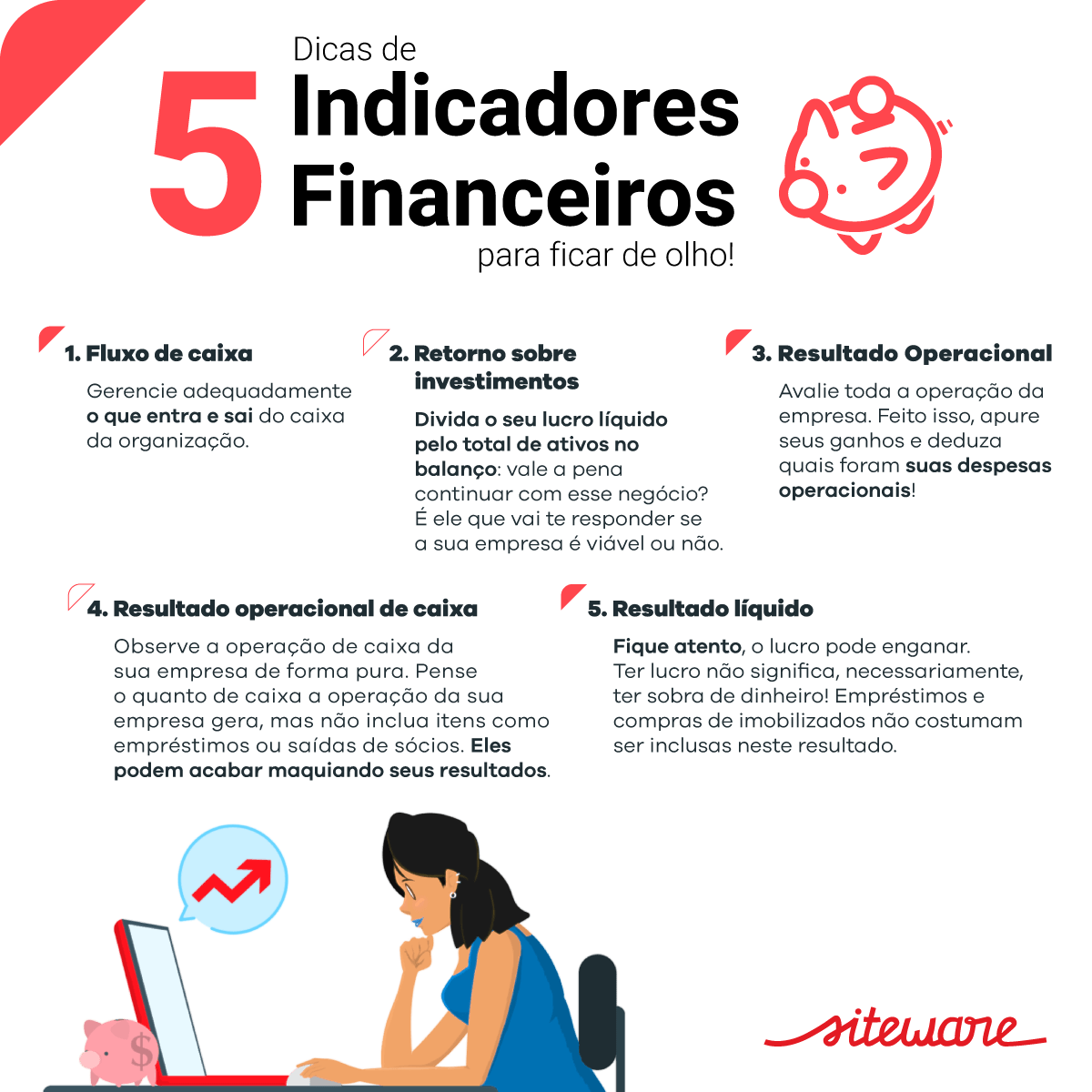
Here are some financial indicator tips to keep an eye on:
Why run a results analysis?
With results analysis, you get a deeper look at what works and what can improve. That is why anyone who wants positive results from their projects needs to know how to run one.
It involves comparing scenarios, analyzing data, collecting information and understanding trends. These elements give a broader view of processes and business performance.
It also lets you segment data, measure project performance, understand user behavior and make better decisions.
It also helps reach objectives and goals, optimize processes, improve planning and gain more relevant insights for the business.
Read also:
3 analyses to track your company’s results
It is important to understand what results analysis is and how to do it properly so that all the data is covered.
Three analyses help improve a company’s results: productivity, profitability and revenue.
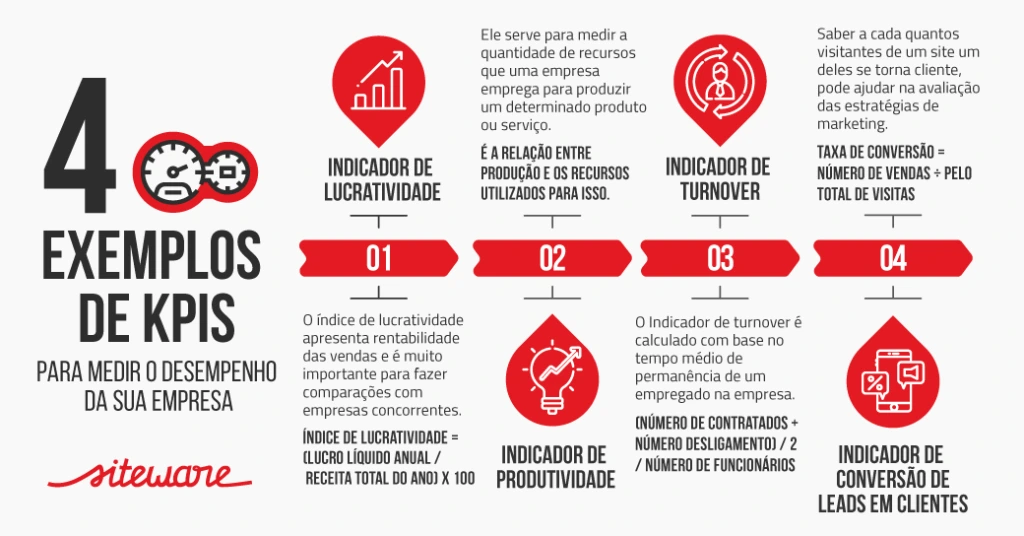
Productivity analysis measures your company’s performance against the goals set, helping you identify areas for improvement. Profitability analysis, on the other hand, assesses whether the company generates enough to cover its costs and make a profit.
Finally, revenue analysis measures how much revenue the company generates and compares it with expenses to check whether the balance is positive.
Here are examples of KPIs to measure your company’s performance:
With these analyses, you determine the best paths for deciding on strategies and actions that will help increase profits. With the right information, decisions become more accurate to drive the business.
Technology as an ally in results analysis
Technology is increasingly used to help companies understand results better and decide with more confidence. It speeds up data collection and analysis and lets you track indicators in dashboards, with visibility across the company.
How to track results analysis?
Analyzing results only changes management when the data arrives up to date and the decision turns into an action with an owner and a deadline. Without that, the analysis becomes a report nobody follows up on.
In Stratwsopens in a new tab, the strategic and performance management platform created by Siteware, indicators live in a visual dashboard, with period-over-period comparison, and deviations are tracked through action plans until completion.
Visit our website and explore the Strategy Execution solution in Stratwsopens in a new tab.

About the author
Equipe Siteware
Content produced and reviewed by the Siteware team, curated by internal experts in strategic management and corporate performance.